


Sunshine in the Courtroom
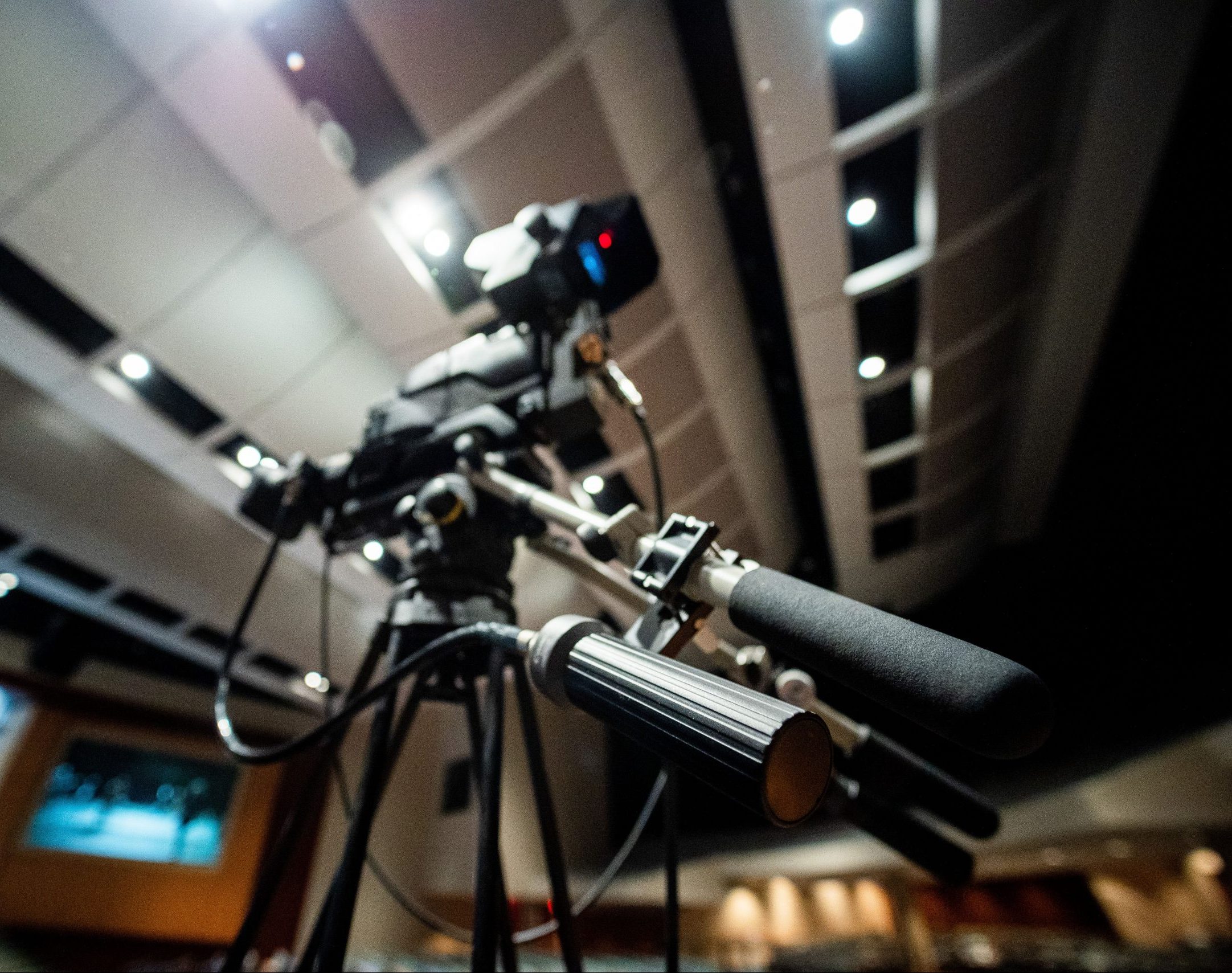
In 2025, two bills were introduced in the Senate that would require media coverage of federal court proceedings: the Sunshine in the Courtroom Act of 2025 (https://www.congress.gov/bill119th-congress/senate-bill/1146/text) and the Cameras in the Courtroom Act (https://www.congress.gov/bill/119th-congress/senate-bill/1133/text).
The Sunshine in the Courtroom Act would allow, at the appellate court level, and at the discretion of the presiding judge, photographing, electronic recording, broadcasting, or televising to the public of any court proceeding. The only exception would be if the publishing would constitute a violation of due process or if a majority of the judges hearing a case determined that the action would constitute a violation of due process. With regard to district courts, the presiding judge, at his or her discretion, again, could allow photographing, electronic recording, broadcasting, or televising to the public of any court proceeding. Certain safeguards would be in place for the protection of jurors and witnesses and no broadcasting of conferences between attorneys and clients would be allowed. The presiding judge would have discretion if such publication would violate anyone’s due process rights.
The Cameras in the Courtroom Act, on the other hand, applies only to the Supreme Court and would simply allow television coverage of all open sessions, unless, of course, there was a concern for a violation of due process rights.
The US Judicial Conference, the policy making body for the federal judiciary, has steadfastly opposed any legislation allowing cameras in federal courts, especially district courts where trials occur. (Federal appellate courts have had discretion since 1998 but the Judicial Conference opposed legislation that would override that discretion or compel broadcasting discretion). The Conference has historically argued that allowing cameras in the courtroom could cause irreparable harm to fair trials, intimidate litigants, witnesses and jurors, create privacy risks and expose judges to greater risks than they already faced. In June 2026, the Judicial Conference also argued that new technology could create digitally altered “deepfake” videos that could distort true events occurring in those proceedings. Finally, the Judicial Conference noted the significant costs it would take to retrofit courtrooms with recording devices.
It will be interesting to see if, after many years of battles, the courts are finally opened to the public via a broadcasting mechanism. If so, smile – you’re on Courtroom Camera.